Decoding the Masonic Compass: A Complete Guide to Freemason Beliefs
By info@newworldorderofficial.com / April 24, 2026 / No Comments / Uncategorized
Decoding the Masonic Compass: A Complete Guide to Freemason Beliefs
What do Freemasons actually believe? This is one of the most searched questions about the fraternity, and for good reason. With over three centuries of history, millions of members worldwide, and a reputation shrouded in mystery, Freemasonry can seem like an enigma.
But here is the truth: Freemason beliefs are not hidden in coded manuscripts or whispered in secret chambers. They are published, public, and profoundly simple. The fraternity has always been clear about its core principles—principles that have attracted kings, presidents, scientists, and ordinary men seeking self-improvement.
Part 1: The Short Answer – What Freemasons Believe in a Nutshell
Freemasons believe in three core principles that form the foundation of everything the fraternity does and teaches. These are often called the “Three Great Tenets” of Freemasonry:
Brotherly Love – Every Mason is taught to regard the whole human species as one family. This means showing tolerance, respect, and affection for all people, regardless of their background, religion, or station in life .
Relief (Charity) – Freemasons are obligated to help those who are suffering or in distress. This is not merely a suggestion but a core duty. Masonic charity is legendary, with millions of dollars donated annually to hospices, disaster relief, medical research, and local community causes .
Truth – Masons are committed to living with integrity, pursuing knowledge, and seeking wisdom. The search for truth is considered a sacred duty, one that encompasses both intellectual inquiry and moral living .
These three tenets are supported by a framework of virtues and principles that guide a Mason’s conduct in every aspect of life.
What are the core beliefs of Freemasonry? Brotherly Love, Relief (charity), and Truth – the Three Great Tenets.
Part 2: Belief in a Supreme Being – The Great Architect of the Universe
The most fundamental belief required of every Freemason is faith in a Supreme Being. An atheist cannot become a Mason in regular Freemasonry. This requirement is absolute and non-negotiable across all mainstream Masonic jurisdictions .
The Great Architect of the Universe (GAOTU)
Within the lodge, Masons refer to God as the Great Architect of the Universe (GAOTU) . This title serves two purposes:
First, it honors the fraternity’s roots in stonemasonry and architecture. Just as an architect designs a building, the Divine designed the cosmos. Second, and more importantly, it allows men of different faiths to pray together without sectarian conflict .
A Christian Mason understands the GAOTU as the Trinity. A Jewish Mason understands the GAOTU as Yahweh. A Muslim Mason understands the GAOTU as Allah. Each brings his own understanding to the lodge, and each prays according to his own tradition—but they pray together under a common name for the one God they all worship.
What This Means for Membership
As the Grand Lodge of New Zealand’s Declaration of Principles states: Freemasonry “acknowledges a Supreme Being, Creator of the Universe whom all men should revere. The Volume of the Sacred Law is open whenever a Lodge is in session and is a constant reminder of that fundamental duty” .
This requirement has significant implications:
No atheists can be admitted to regular Freemasonry
No doctrinal test is applied regarding which Supreme Being a Mason worships
No religious exclusivity – a Mason retains and practices his own faith
Do Freemasons believe in God? Yes – belief in a Supreme Being is the absolute requirement for membership.
Part 3: The Volume of the Sacred Law – Scripture on the Altar
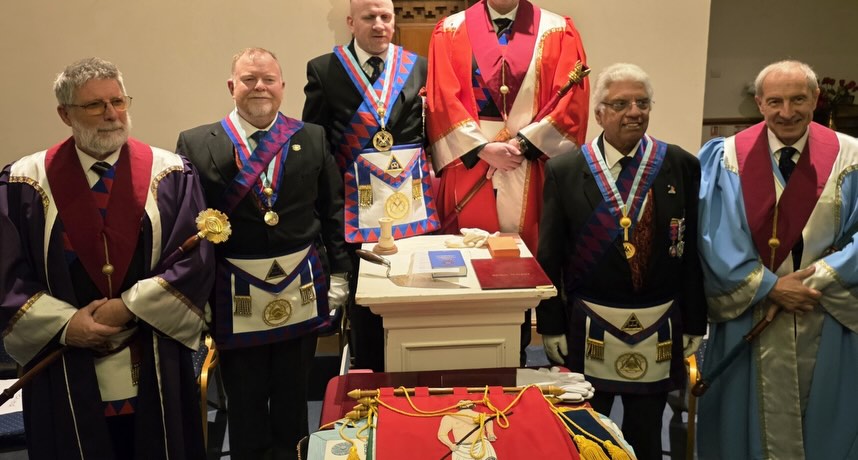
On the altar of every Masonic lodge rests the Volume of the Sacred Law (VSL) . This is not just a decoration; it is a central symbol of Masonic belief .
What Book Is It?
The VSL is the book that represents divine revelation according to the members of that lodge. In most English-speaking lodges, this is the Bible. However, in lodges with Jewish members, the VSL may include the Torah. In lodges with Muslim members, it may include the Koran .
The Symbolic Meaning
The presence of a holy book on the altar carries profound meaning:
Divine authority – The VSL represents that Masonic teachings are subordinate to divine revelation
Religious respect – Multiple holy books can be placed on the same altar, honoring different traditions
Moral foundation – Scripture is the ultimate source of moral guidance for Masons
As one Masonic source explains, “The great books of nature and revelation are to guide our thoughts and actions, and a Volume of Sacred Law must be present at every lodge meeting” .
Volume of Sacred Law Masonic belief – The holy book on the Masonic altar represents divine revelation and moral authority.
Part 4: Virtues – The Ethical Framework of Freemasonry
Freemasonry teaches a comprehensive system of virtues that guide a Mason’s conduct in every aspect of life .
The Cardinal Virtues
These four virtues, inherited from classical philosophy, are central to Masonic teaching:
Temperance (Self-Discipline) – The ability to control one’s desires and passions, to live a balanced and moderate life without excess.
Fortitude (Courage) – The strength to face adversity, to persevere through challenges, and to stand firm in one’s principles even when doing so is difficult.
Prudence (Reason) – The wisdom to make sound judgments, to think before acting, and to choose the right course of action based on careful consideration.
Justice – The commitment to treat all people fairly, to give each person what they deserve, and to uphold what is right.
The Theological Virtues
Freemasonry also embraces the three theological virtues:
Faith – Faith in a Supreme Being, the Great Architect of the Universe .
Hope – Hope in the immortality of the soul, the belief that death is not the end but a transition .
Charity – Love for all humanity, the active practice of benevolence and goodwill toward every person .
Masonic virtues – Temperance, Fortitude, Prudence, Justice, Faith, Hope, and Charity.
Part 5: The Fatherhood of God and the Brotherhood of Man
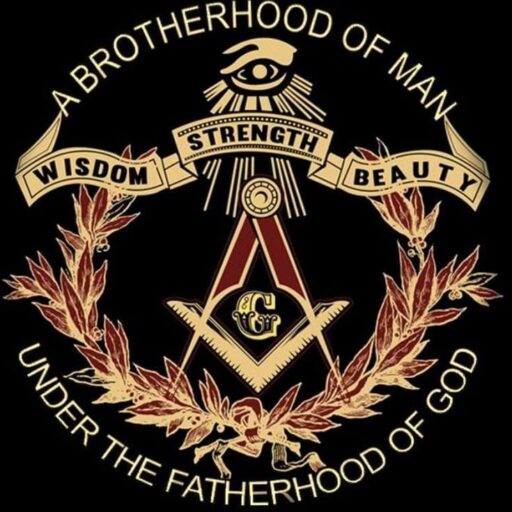
Perhaps the most frequently cited summary of Masonic belief is the phrase: “The Fatherhood of God and the Brotherhood of Man.”
What This Means
This principle asserts two fundamental truths:
First, that all human beings are children of the same divine Creator. Whether one calls that Creator God, Yahweh, Allah, or any other name, the relationship is the same: God is Father to all humanity .
Second, because we share a common Father, we are all brothers. Race, nationality, religion, social status, wealth—none of these distinctions changes the fundamental fact of our common origin and common destiny.
Practical Implications
This belief has profound practical consequences:
Equality in the lodge – Within a Masonic lodge, all members meet on the level. Titles, wealth, and social standing are left at the door.
Freedom from bigotry – Masons are taught to be “free from bigotry and intolerance” and to grant every person “the full exercise of every right and prerogative which he claims for himself” .
Universal respect – A Mason concedes to his neighbor “the utmost freedom of ideas and conduct” .
As an 1898 Masonic periodical explained, the “leading characteristics” of a true Mason are “liberality, equality and fraternity” – not in terms of wealth or ability, but in terms of recognizing “that we are all descended from one common stock, partake of the same nature and share the same hope” .
Fatherhood of God brotherhood of man Masonic meaning – The core Masonic belief that all humans share a divine Creator and are therefore all brothers.
Part 6: The Search for Truth – Freemasonry as a Path to Wisdom
For Freemasons, the pursuit of truth is not a casual interest but a sacred obligation. As the Grand Lodge of Massachusetts explains, “The search for truth is its own reward” .
Why Truth Matters
At its core, Freemasonry is “about the nature of truth.” Masons use symbols and allegory because they are “the surest way in which our shared truth may be taught” . Through these symbols and shared traditions, “each Mason defines and discovers his own unique path” .
How Masons Pursue Truth
The Masonic pursuit of truth takes several forms:
Personal betterment – “Striving for personal growth is a core tenet of Freemasonry. As Masons progress through the Craft, they discover different aspects of themselves and develop a range of skills they may never have recognized they had” .
Enlightenment – “We strive for enlightenment through the pursuit of the knowledge found in our symbols, rituals and allegory. By striving to live with virtue and compassion and by maintaining an ongoing curiosity about our world, we continue to embody the spirit of enlightenment” .
Leadership – “As we learn and grow, we become mentors to others. Freemasons share their knowledge and skills with other Masons and with the community as a whole” .
Truth in Daily Life
The fourth prime belief of Freemasonry is “the search for truth” – and this extends to every worldly endeavor. Masons are reminded “to be truthful to others, to follow the path of truth, and ever to look for the truth in their daily lives” .
Freemason search for truth – Freemasonry teaches that the pursuit of wisdom and self-improvement is a sacred duty.
Part 7: Is Freemasonry a Religion? The Critical Distinction
One of the most common questions about Masonic beliefs is whether Freemasonry itself constitutes a religion. The answer is no – but understanding why requires careful explanation.
The Academic Consensus
The Cambridge Handbook of Western Mysticism and Esotericism states clearly: “First of all, it is not a religion, at least not in the Western sense of the concept. One neither converts to Freemasonry, nor does it have any teachings or dogmas” .
What Freemasonry Lacks
A religion typically includes:
Doctrines of salvation
Sacraments or ordinances
Clergy or ordained leadership
Exclusive claims to divine truth
Freemasonry has none of these. It does not claim to save souls, administer sacraments, or replace any person’s existing faith. As the Cambridge Handbook explains, “If a candidate for Freemasonry belongs to a religion, this does not change when he becomes a Freemason” .
What Freemasonry Is
Rather than a religion, Freemasonry is best understood as:
A fraternal organization – A voluntary association of men committed to mutual support and self-improvement.
A moral philosophy – A system of ethics taught through symbols, allegory, and ritual.
A charitable society – An organization dedicated to relieving distress and serving communities .
The “No Dogma” Principle
Crucially, Freemasonry has “no official interpretation of the rituals which is held to be universally valid. Every member has the right – and, indeed, the duty – to interpret them in his own way” .
This is fundamentally different from religion. A Church tells you what to believe. Freemasonry asks you what you believe – and requires only that you believe in a Supreme Being and commit to moral living.
Is Freemasonry a religion? No – it is a fraternal organization that requires belief in God but has no doctrines, sacraments, or clergy.
Part 8: Political Neutrality – What Freemasons Do NOT Believe
Just as important as what Freemasons believe is what they do not believe – or at least, what they do not discuss in the lodge.
The Prohibition on Politics and Religion
In Masonic lodges, discussions of politics and religion are strictly forbidden. This rule is fundamental to Masonic harmony .
Why This Rule Exists
Masons come from diverse backgrounds, hold different political views, and practice different religions. If the lodge allowed political or religious debate, it would inevitably create division and conflict.
Instead, Masons focus on what unites them: a belief in a Supreme Being, a commitment to moral living, and a dedication to charity and brotherhood.
What This Means for Masonic Beliefs
This prohibition clarifies something important about Masonic beliefs: The fraternity does not have political positions, endorsements, or agendas. Individual Masons may hold strong political beliefs, but they do not express them in the lodge. Freemasonry as an organization stays neutral .
Freemason political beliefs – Freemasonry prohibits political discussion in lodges and has no political agenda.
Part 9: The Immortality of the Soul – Hope Beyond Death
Alongside belief in a Supreme Being, Freemasonry requires belief in the immortality of the soul .
What This Means
Masons believe that death is not the end. The human spirit continues beyond physical death. This belief is central to the third (Master Mason) degree, which teaches lessons about fidelity, integrity, and the hope of resurrection.
Hope in Practice
As the Grand Lodge of Ohio explains, Freemasonry teaches “hope in the immortality of the spirit” as one of the three theological virtues . This hope is not merely an abstract doctrine – it is a source of comfort, courage, and moral motivation.
The belief that life continues beyond death gives Masons reason to live virtuously now. As one Masonic source puts it, “a time is rapidly approaching when every distinction save that of goodness shall cease, and death, the final leveler, reduce us to the same state” .
Do Masons believe in heaven? Freemasons believe in the immortality of the soul and hope in eternal life.
Part 10: Charity and Service – Beliefs in Action
For Freemasons, beliefs are not merely intellectual. They must be lived.
The Priority of Charity
As the Grand Lodge of New Zealand declares, Freemasonry is “Charitable – its resources are devoted to the welfare and happiness of Mankind” and “Benevolent – believing that the good of others is of primary concern” .
The Scope of Masonic Charity
Masonic charity is legendary in scale:
Millions of dollars donated annually to hospices, disaster relief, and medical research
Local food banks, blood drives, and community programs supported by individual lodges
The Shriners Hospitals for Children, providing free medical care to children regardless of ability to pay
Why Charity Matters
Charity flows directly from Masonic belief. If God is Father to all, then all humans are brothers – and brothers help brothers in need.
This is not optional. Relief is the second Great Tenet of Freemasonry, and every Mason is obligated to practice it.
Masonic charity beliefs – Freemasons are obligated to practice charity as a core duty of membership.
Conclusion: The Simple Truth About Masonic Beliefs
After examining the historical records, the official declarations of Grand Lodges, and the academic research, we can answer “What do Freemasons believe?” with confidence.
Freemasons believe in one Supreme Being, the Great Architect of the Universe, known by many names but one in essence.
Freemasons believe in the immortality of the soul, giving hope that death is not the end but a transition.
Freemasons believe in Brotherly Love – that all humans are members of one family, children of the same divine Creator.
Freemasons believe in Relief – the sacred duty to help those who are suffering, to practice charity in word and deed.
Freemasons believe in Truth – the obligation to seek wisdom, to live with integrity, and to become better men through continuous self-improvement.
Freemasons believe in virtue – temperance, fortitude, prudence, justice, faith, hope, and charity.
Freemasons believe in the Volume of the Sacred Law – that divine revelation guides moral conduct and that all sacred texts deserve respect.
And perhaps most importantly: Freemasons believe that beliefs must be lived. Masonry is not about professing correct doctrines. It is about becoming a better man – through charity, through brotherhood, and through the relentless pursuit of truth.
What are your thoughts on Masonic beliefs? Have you encountered Freemasonry in your community or family? Share your questions or experiences in the comments below.
Frequently Asked Questions
Q: What are the three main beliefs of Freemasonry?
A: The three Great Tenets of Freemasonry are Brotherly Love (tolerance and respect for all), Relief (charity and service to those in distress), and Truth (integrity and the pursuit of wisdom) .
Q: Do Freemasons believe in God?
A: Yes. Belief in a Supreme Being is the absolute requirement for membership in regular Freemasonry. Masons refer to God as the Great Architect of the Universe (GAOTU). Atheists cannot become Masons .
Q: Is Freemasonry a religion?
A: No. As the Cambridge Handbook states, Freemasonry is “not a religion, at least not in the Western sense of the concept. One neither converts to Freemasonry, nor does it have any teachings or dogmas” . Freemasonry has no sacraments, no clergy, and no doctrine of salvation.
Q: Do Freemasons believe in Jesus?
A: Christian Masons certainly believe in Jesus. However, Freemasonry does not require belief in Jesus, and the fraternity includes Jewish, Muslim, Hindu, and other members who do not accept Jesus as divine. Each Mason retains his own religious beliefs .
Q: What is the “Volume of the Sacred Law” in Freemasonry?
A: The VSL is the holy book placed on the altar of every Masonic lodge. It can be the Bible, Torah, Koran, or other sacred text depending on the members of that lodge. It represents divine revelation and moral authority .
Q: Can Catholics become Freemasons?
A: The Roman Catholic Church has prohibited its members from joining Freemasonry since 1738, calling Masonic principles “irreconcilable with the doctrine of the Church” . Many Protestant denominations have also issued warnings or prohibitions.
Q: Do Freemasons discuss politics in their meetings?
A: No. In regular Freemasonry, discussions of politics and religion are strictly forbidden in lodge meetings. This rule maintains harmony among members of different political and religious backgrounds .
Q: What does “Brotherly Love” mean in Freemasonry?
A: Brotherly Love means regarding the whole human species as one family, showing tolerance and respect for all people regardless of background, and conceding to every person the same rights and freedoms one claims for oneself .
External References & High-Authority Linkings
For those who wish to verify the claims in this article or dive deeper into Masonic beliefs, please consult these authoritative sources:
Encyclopaedia Britannica: Authoritative overview of Freemasonry’s history, beliefs, and practices. (Source: britannica.com)
Cambridge University Press: Academic analysis of Freemasonry as a non-religious initiatory system. (Source: cambridge.org/core)
Grand Lodge of New Zealand: Official Declaration of Principles outlining Masonic beliefs. (Source: freemasonsnz.org)
Freemason.com (The Masonic Society): Explanation of core values and the three tenets of Freemasonry. (Source: freemason.com)
Massachusetts Freemasonry: In-depth discussion of truth as a core Masonic belief. (Source: massfreemasonry.org)
Be a Freemason: Official recruitment site detailing Masonic principles and membership requirements. (Source: beafreemason.org)
Masonic Periodicals Online: Primary source document from 1898 explaining Masonic beliefs about brotherhood, equality, and fraternity. (Source: masonicperiodicals.com)