From Lodge Meetings to Feeding the Homeless: What Do Freemasons Actually Do?
By info@newworldorderofficial.com / April 23, 2026 / No Comments / Uncategorized
From Lodge Meetings to Feeding the Homeless: What Do Freemasons Actually Do?
if you have ever driven past a Masonic temple and wondered what goes on inside, you are not alone. The question “what do Freemasons do?” is one of the most common searches about the fraternity—and it is also one of the most misunderstood.
Movies and popular culture would have you believe that Freemasons spend their time plotting world domination, exchanging secret handshakes in shadowy rooms, or protecting ancient treasures. The reality is far more interesting—and far more beneficial to your local community.
As an SEO expert with a focus on fraternal organizations and community service, I have researched what Freemasons actually do—from their regular lodge meetings to their massive charitable operations. In this 2,000+ word guide, I will walk you through the daily, weekly, and yearly activities of Freemasons around the world, backed by official sources and real-world examples.
Part 1: The Core Activity – Lodge Meetings
At its simplest level, Freemasons meet in lodges. A lodge is not just a building (though they often meet in buildings called Masonic temples or halls). A lodge is the basic organizational unit of Freemasonry—a group of Masons who gather regularly to conduct business, perform rituals, and support one another.
How Often Do They Meet?
Most lodges meet once or twice per month. These meetings typically occur in the evening, accommodating members who work during the day. The meeting schedule is set at the beginning of each year, and members are expected to attend regularly.
What Happens During a Lodge Meeting?
A typical lodge meeting involves several components:
1. Opening the Lodge
The lodge is “opened” by the Worshipful Master (the elected leader of the lodge) in a formal ritual. This ritual varies depending on the Masonic rite being used—most lodges in England use the Emulation Working, while others use the Scottish Rite, York Rite, or French Rite.
2. Administrative Business
Like any other organization, lodges have bills to pay, minutes to approve, and reports to hear. Members vote on candidates for initiation, discuss charitable giving, and plan upcoming events.
3. Masonic Education or Ritual Work
Lodges often practice and perform the rituals of the three degrees: Entered Apprentice, Fellow Craft, and Master Mason. This might involve initiating a new member, passing a member to the next degree, or raising a member to the degree of Master Mason.
4. Closing the Lodge
The lodge is formally closed with ritual, often followed by a social period.
The Officers Who Run the Lodge
Every lodge has a structured leadership team. The Worshipful Master presides, supported by officers including the Senior and Junior Wardens, a Secretary, a Treasurer, and various deacons and stewards. These officers change regularly, giving many members the opportunity to lead.
What happens at a Masonic lodge meeting? Regular business, degree ceremonies, and fellowship.
Part 2: The Three Degrees – How Masons Progress
One of the most important things Freemasons do is advance through the three degrees of the Craft. This is not about hierarchy or power—it is about education and self-improvement.
The Entered Apprentice Degree
The first degree makes a man a Mason. In this ceremony, the new Mason learns the basic symbols and principles of the fraternity. He is taught that he is like a “rough ashlar”—a stone fresh from the quarry—that needs to be shaped into a “perfect ashlar” through education and moral living.
The Fellow Craft Degree
The second degree focuses on intellectual development. The Mason learns about the five senses, the seven liberal arts and sciences, and the importance of reason and knowledge.
The Master Mason Degree
The third degree is considered the summit of Craft Masonry. It teaches lessons about integrity, fidelity, and the immortality of the soul through the allegorical story of Hiram Abiff.
After completing these three degrees, a Mason may choose to pursue additional degrees in appendant bodies like the Scottish Rite or York Rite, but the three Craft degrees form the foundation of all Freemasonry.
Supporting New Masons – “Light Blue” Clubs
Recognizing that new Masons (sometimes called “Light Blues” because of the color of their aprons) need support, many provinces have created special clubs for newer members.
For example, the Essex Cornerstone Club was founded in 2015 specifically to help younger and newer Freemasons build friendships and navigate the Masonic world. As one member explained, the club became his “lifeline” when he found himself sitting alone in a car park, reluctant to enter a lodge meeting where he knew no one.
Similarly, the Lincolnshire Rough Ashlars (named after the rough stone symbol of the Entered Apprentice) provides a forum for new Masons to meet informally, develop their understanding, and participate in community events like soapbox racing and quiz nights.
Freemasonry degrees explained – Entered Apprentice, Fellow Craft, and Master Mason.
Part 3: Charity – What Freemasons Do for Others
If you ask a Freemason what he does, the answer will almost certainly include charity. Freemasonry is one of the largest charitable givers in the world, and this is not an exaggeration.
The Scale of Masonic Giving
Consider these numbers: In 2022/23 alone, the Masonic Charitable Foundation (MCF) awarded £6.8 million in grants to over 450 charities across England and Wales. These grants supported:
£2.9 million in large grants (over three years)
£1.2 million for international disaster relief
£1 million in small grants to local charities
£600,000 to Hospice UK for end-of-life care
£250,000 for PhD research into childhood diseases
This is just one Masonic foundation. Similar charitable work happens through Grand Lodges in every country where Freemasonry exists.
Local Community Support
Charity is not just about writing large checks. Freemasons are active in their local communities in practical, hands-on ways.
In Rhode Island, the Masonic Grand Lodge provides medical equipment—hospital beds, wheelchairs, walkers—to Masons and non-Masons at no charge. They also support a floor at Rhode Island Hospital dedicated to treating childhood illnesses.
In West Lancashire, two Freemasons raised over £5,000 for St Catherine’s Hospice by doing a tandem skydive from 11,000 feet. The event was not a secret ritual or a political meeting—it was ordinary men doing extraordinary things to help others.
In Northamptonshire, a Freemason named Ged Dempsey launched the Three Pillars Charity, which provides meals, clothing, and essential support to vulnerable and homeless people across the region. Volunteers gather regularly in a local car park to distribute food to those who need it.
SEO Key Phrase: Masonic charity work – Freemasons donate millions to hospices, disaster relief, and local community support.
Part 4: Community Engagement – Building Stronger Neighborhoods
Beyond direct charity, Freemasons engage with their communities in strategic ways that build partnerships and strengthen local infrastructure.
Supporting Youth Organizations
Many Masonic lodges have strong connections with Scouting. In Wisconsin, Lake Country Freemasons Lodge has supported Scout Troop #49 for over a decade, allowing the troop to meet at the lodge at no cost for almost two years. The lodge recently hosted an Eagle Scout Court of Honor for a young Mason who completed his Eagle project—beautifying a pet ossuary at a local cemetery.
As one Wisconsin Mason noted, these connections benefit both organizations: Scouts need community service hours for advancement, and lodges need volunteers for events. And when Scouts turn 18, they may find a natural pathway to consider Freemasonry.
Bringing Community Leaders Together
Freemasons also act as conveners, bringing together diverse organizations to address community challenges.
In Essex, Freemasons hosted a networking breakfast that brought together over 50 representatives from charities, community groups, businesses, and civic organizations—all focused on supporting young people. The event included representatives from the High Sheriff’s office, the local cricket board, youth services organizations, and even the Children’s Parliament.
The High Sheriff of Essex praised the gathering, saying: “What a wonderful gathering of like-minded people…all wanting to improve the wellbeing of others and provide enrichment opportunities for our young people”.
Event-Based Fundraising
Masonic community engagement often takes the form of fun, public events. The Lincolnshire Rough Ashlars participate in soapbox racing and raft racing, raising money for charitable causes chosen by their members. These events are open to the public, family-friendly, and a far cry from the secretive image of Freemasonry.
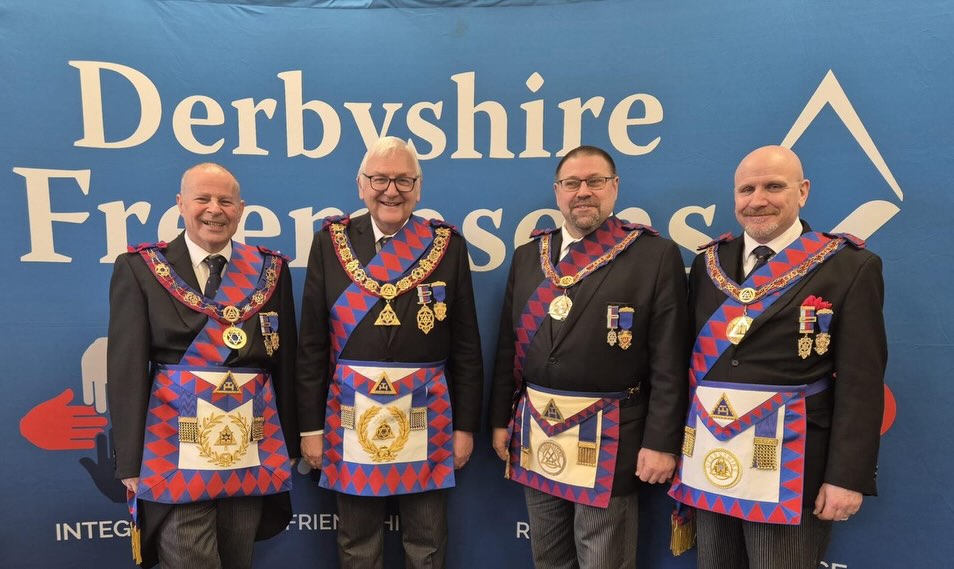
Freemasons in the community – Supporting Scouts, hosting community events, and building local partnerships.
Part 5: Different Types of Freemasonry – Not All Masons Do the Same Things
It is important to understand that “what Freemasons do” varies depending on which branch of Freemasonry they belong to.
Regular Freemasonry (UGLE and Recognized Grand Lodges)
This is the largest branch of Freemasonry worldwide. Regular Freemasons:
Admit only men
Require belief in a Supreme Being
Do not discuss politics or religion in lodge meetings
Work primarily the three Craft degrees
Most Masonic lodges in the United States, the United Kingdom, Canada, Australia, and other Commonwealth countries follow this model.
Liberal or Continental Freemasonry
Following the tradition of the Grand Orient of France (established 1773), liberal Freemasonry:
May admit both men and women (mixed-gender)
Accepts atheists and agnostics (absolute freedom of conscience)
Engages with social and sometimes political issues
The International Order of Freemasonry for Men and Women, Le Droit Humain, is unique in that it works seamlessly from the first to the 33rd degree and practices only the Ancient and Accepted Scottish Rite.
Female-Only Freemasonry
There are also Masonic organizations that admit only women, such as the Order of Women Freemasons (OWF) and the Honourable Fraternity of Ancient Freemasons (HFAF). These organizations use the same rituals and principles as male Freemasonry but are structured for women.
Types of Freemasonry – Regular (male-only), Liberal (mixed-gender, accepts atheists), and Female-only.
Part 6: Rites and Traditions – The Variety of Masonic Practice
Freemasons do not all follow the same rituals. Over time, different Masonic Rites have developed, each with its own ceremonies, degrees, and traditions.
The most common rites include:
The Scottish Rite – Practiced widely in the United States and elsewhere, this rite includes additional degrees beyond the three Craft degrees.
The York Rite – Another system of additional degrees, popular in English-speaking countries.
The French Rite – Common in Continental European Freemasonry.
Emulation Working – The standard ritual in most English lodges under UGLE.
Egyptian Rites (Memphis-Misraim) – More esoteric rites practiced by some liberal Masonic bodies.
Despite these different rituals, all Masons share the same core principles: Brotherly Love, Relief (charity), and Truth.
Masonic rites explained – Scottish Rite, York Rite, Emulation, and French Rite.
Part 7: Social Activities – Brotherhood in Action
Not everything Freemasons do is formal or charitable. A significant part of Masonic activity is simply fellowship.
Festive Boards and Social Events
After many lodge meetings, members gather for a Festive Board—a meal with toasts, songs, and conversation. These are not secret rituals but ordinary dinners where men (and in mixed-gender lodges, women) enjoy each other’s company.
Some lodges have become creative with these social events. The Essex Cornerstone Lodge has hosted themed Festive Boards including American, Ibiza, and Game of Thrones nights—complete with an Iron Throne for the Master’s chair.
Sports and Recreation
Masonic groups participate in golf outings, fishing trips, and other recreational activities. In Lincolnshire, Masons compete in soapbox and raft races as fundraising events.
Informal Gatherings
Many lodges maintain WhatsApp groups, Facebook pages, and email lists to keep members connected between formal meetings. These informal networks provide support, friendship, and a sense of belonging.
Masonic social events – Festive Boards, sports outings, and community fundraising.
Conclusion: What Do Freemasons Do? More Than You Think
After examining the evidence, the answer to “what do Freemasons do?” is clear:
Freemasons meet regularly in lodges to conduct business, perform degree ceremonies, and support one another in their moral development.
Freemasons give massively to charity – millions of pounds each year to hospices, disaster relief, medical research, and local community causes.
Freemasons engage with their communities – supporting Scout troops, hosting networking events for youth organizations, and volunteering at food banks.
Freemasons build friendships – through social events, sports, and informal gatherings that provide support and belonging.
Freemasons improve themselves – through the three degrees and continuous Masonic education.
There are no shadowy conspiracies, no world domination plans, and no secret agendas. There are just millions of men and women around the world who believe in a Supreme Being, who want to be better people, and who express that desire through charity, fellowship, and service to their communities.
The next time you see a Masonic temple, do not imagine secrets and shadows. Imagine the skydiver raising money for a hospice. The volunteer handing out meals to the homeless. The Scoutmaster mentoring young people. The lodge meeting where ordinary people commit to being better neighbors, better friends, and better humans.
That is what Freemasons do.
Are you a Mason? What is the most meaningful thing you have done through Freemasonry? Share your story in the comments.
Frequently Asked Questions
Q: Do Freemasons perform rituals?
A: Yes. Masonic rituals include ceremonies for the three degrees (Entered Apprentice, Fellow Craft, Master Mason) and the opening and closing of lodge meetings. These rituals teach moral lessons through symbolism and allegory.
Q: Do Freemasons do charity work?
A: Yes. Freemasonry is one of the largest charitable giving organizations in the world. In 2022/23 alone, the Masonic Charitable Foundation awarded £6.8 million to over 450 charities.
Q: Do Freemasons meet in secret?
A: No. Masonic lodge meetings are not secret—they are held in buildings that are clearly marked as Masonic halls. However, the meetings are private, meaning that only members and invited guests may attend. This is no different from a private club or a corporate board meeting.
Q: Do Freemasons discuss politics in their meetings?
A: In regular Freemasonry (UGLE and recognized Grand Lodges), discussions of politics and religion are strictly prohibited in lodge meetings. This rule helps maintain harmony among members of different beliefs and political affiliations.
Q: Can women be Freemasons?
A: In regular (UGLE-affiliated) Freemasonry, only men are admitted. However, there are separate Masonic organizations for women, including the Order of Women Freemasons and the Honourable Fraternity of Ancient Freemasons. There are also mixed-gender Masonic orders, such as Le Droit Humain.
Q: How often do Masons meet?
A: Most lodges meet once or twice per month. Many Masons also belong to multiple lodges or appendant bodies, which may meet on different schedules.
External References & High-Authority Linkings
For those who wish to verify the claims in this article or learn more about Freemasonry, please consult these authoritative sources:
United Grand Lodge of England (UGLE): The governing body for regular Freemasonry in England and Wales, and the source for much of the information in this article. (Source: ugle.org.uk)
The Masonic Charitable Foundation (MCF): Detailed annual reports on Masonic charitable giving, including the £6.8 million awarded in 2022/23. (Source: mcf.org.uk)
Le Droit Humain (International Order of Freemasonry for Men and Women): Information on mixed-gender and liberal Masonic traditions. (Source: ledroithumain.international)
Grand Lodge of Rhode Island: Examples of local Masonic community programs, including medical equipment lending and hospital support. (Source: rimasons.net)
Provincial Grand Lodge of Lincolnshire: Information on Light Blue clubs and community events like the Rough Ashlars. (Source: lincolnshirefreemasons.org)